Understanding the Different Kinds of Motor Bike Parts for Every Biking Journey
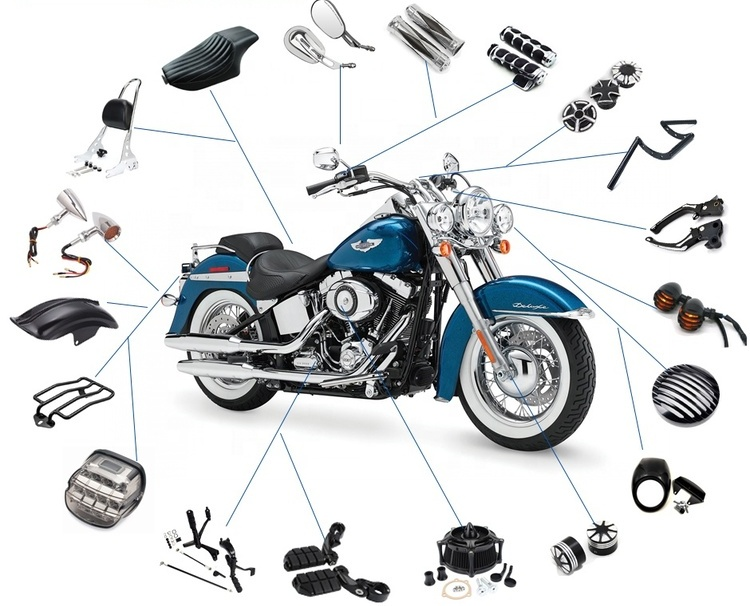
Comprehending the different parts of motorcycles is crucial for any rider. Each component plays a significant role in improving performance, security, and overall riding experience. From the engine's power shipment to the importance of brakes and tires, every component matters. Cyclists who understand these intricacies can make far better choices for their special requirements. As they discover the various elements, they may find shocks that could change their biking journeys.
The Engine: The Heart of Your Motorcycle
The engine serves as the heart of any motorcycle, powering its performance and identifying its capacities. Different sorts of engines exist, each customized to details riding styles and choices. The most usual configurations include single-cylinder, parallel-twin, V-twin, and inline-four engines. Single-cylinder engines are ideal and light-weight for newbies, offering simplicity and ease of upkeep - Motorcycle Parts Auckland. On the other hand, parallel-twin engines supply a well balanced mix of power and performance, making them appropriate for city commuting. V-twin engines are recognized for their robust torque, favored by cruiser enthusiasts for a comfortable experience. Inline-four engines, often discovered in sportbikes, supply high RPMs and remarkable speed, dealing with those looking for thrilling efficiency. Each engine type adds unique characteristics to a motorbike, affecting factors such as acceleration, fuel efficiency, and overall riding experience. Understanding these variants is necessary for riders to choose a motorcycle that aligns with their riding goals and preferences
The Transmission: Powering Your Experience
Efficient power delivery in a motorbike depends heavily on the transmission system, which connects the engine's outcome to the wheels. This system is important for transforming the engine's rotational pressure right into functional power that moves the bike forward. Usually, motorbike transmissions can be either manual or automatic, each offering distinct advantages.Manual transmissions enable motorcyclists to have total control over equipment selection, improving performance throughout various riding conditions. On the other hand, automatic transmissions offer ease of use, making them appropriate for newbies or urban riding environments.The transmission contains gears, clutches, and shafts, all collaborating to assist in smooth changes and excellent power transfer. The ideal transmission can significantly affect a bike's velocity, full throttle, and general riding experience. Recognizing the complexities of the transmission system is necessary for any motorcycle fanatic, as it plays a pivotal function in accomplishing the wanted efficiency and dealing with when driving.
The Suspension System: Making Sure a Smooth Trip
The suspension system is a vital part of a motorcycle, playing an essential role in supplying a comfortable experience. Comprehending the different sorts of suspension systems and their correct setup is vital for peak efficiency. Furthermore, regular maintenance can considerably boost the longevity and effectiveness of this essential system.
Kinds of Suspension Equipments
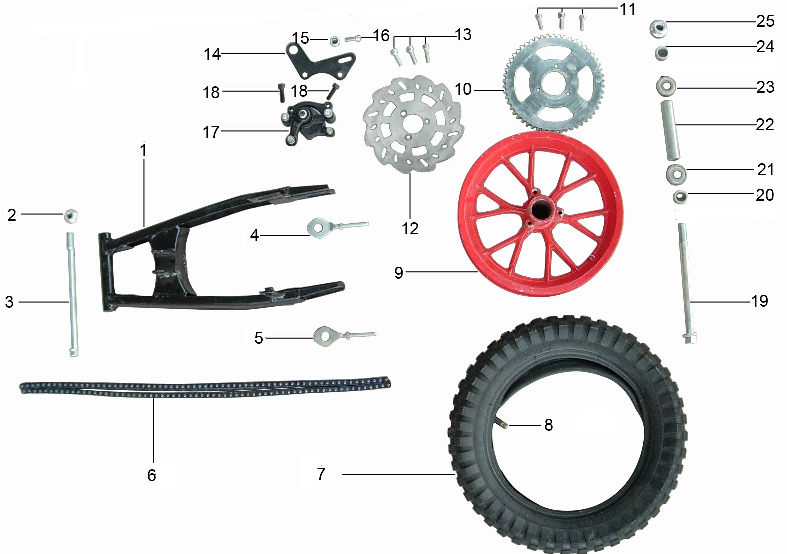
Shock absorber play a vital function in motorcycles, affecting both ride top quality and handling. There are primarily two sorts of suspension systems: standard telescopic forks and progressed dual-sport or multi-link systems. Telescopic forks, generally discovered on many motorcycles, feature an easy style that supplies reliable moistening and security. In comparison, dual-sport or multi-link systems supply boosted handling and flexibility by using numerous pivot factors, permitting the suspension to respond even more dynamically to differing surfaces. Furthermore, some motorbikes use rear monoshock systems, which consolidate the rear suspension right into a solitary shock absorber, boosting weight distribution and experience comfort. Each kind of suspension system has its distinct advantages, providing to various riding designs and preferences, ultimately adding to the total efficiency of the motorbike.
Significance of Proper Setup
While several cyclists might ignore the ins and outs of suspension setup, achieving the appropriate equilibrium and modification is crucial for optimizing efficiency and comfort. A well-tuned suspension system boosts managing and stability, permitting motorcyclists to navigate numerous surfaces with confidence. Correct setup guarantees that the bike can soak up shocks efficiently, reducing exhaustion during lengthy trips. Additionally, it plays a crucial role in keeping tire call with the road, boosting traction and control. Variables such as motorcyclist weight, riding style, and the kind of surface influence the essential modifications. By focusing on the suspension configuration, cyclists can experience a smoother journey, inevitably elevating their cycling adventures. Spending time in this facet is essential for both safety and security and pleasure when driving.
Maintenance Tips for Durability
Regular maintenance of the shock absorber is vital for maximizing its life expectancy and guaranteeing peak efficiency. To achieve this, motorcyclists need to routinely check parts for deterioration. copyrightining the fork seals for leakages and making certain appropriate oil degrees is essential. Furthermore, keeping the proper atmospheric pressure in the shock absorbers assists in accomplishing ideal damping. Cleaning the suspension parts regularly eliminates dirt and particles that can create damages over time. Riders ought to pay focus to any unusual sounds or changes in handling, as these may indicate underlying issues. It is recommended to seek advice from the supplier's standards for particular maintenance routines and to seek expert support when needed. Correct care contributes significantly to a smooth and satisfying riding experience.
The Brakes: Safety First
Brakes are a vital element of any motorcycle, as they straight influence the biker's safety and control. They come in numerous types, including disc brakes and drum brakes, each offering a considerable function in stopping the bike successfully. Disc brakes, frequently found in modern bikes, use exceptional quiting power and warm dissipation, making them optimal for high-performance riding. In contrast, drum Bike Parts Wellington brakes are usually seen in older designs and provide ample stopping pressure for daily use.Regular maintenance of the stopping system is crucial for making certain peak efficiency. This consists of inspecting brake fluid levels, inspecting pads for wear, and making sure rotors are devoid of damage. Cyclists ought to additionally know the indicators of brake failure, such as squeaking audios or reduced quiting power, which indicate the requirement for prompt attention. Focusing on brake upkeep improves not just the bike's performance yet likewise the cyclist's overall safety and security when driving.
The Tires: Hold and Efficiency
Tires are the important call factor in between the road and a motorcycle, noticeably affecting hold and total performance. The kind of tire selected can considerably influence handling, security, and grip throughout various riding conditions. Sporting activity tires, as an copyrightple, are engineered for maximum grip on asphalt, supplying boosted cornering capabilities at broadband. Alternatively, off-road tires feature deeper treads created to browse harsh surfaces, ensuring grip on loose surfaces like dirt or gravel.Tire pressure likewise plays a necessary duty in efficiency; properly inflated tires enhance stability and decrease wear, while under-inflated tires can lead to poor handling and raised fuel consumption. Motorbike Components NZ. In addition, the tire's rubber substance affects toughness and hold degrees. Motorcyclists need to meticulously pick the ideal tire kind based on their chosen riding design and ecological problems to maximize performance and safety. Ultimately, buying quality tires is crucial for making sure a safe and pleasurable biking experience
The Frame: Framework and Security
The frame of a motorbike works as its backbone, supplying necessary structure and stability. Various materials used in structure building significantly influence the bike's handling features and overall efficiency. Furthermore, bikers have various modification choices available, enabling tailored arrangements that deal with individual preferences and riding styles.
Structure Materials Review
While selecting the right structure material is essential for a bike's performance, it additionally substantially affects its structural stability and overall security. One of the most typical products used in bike frames consist of steel, carbon, and light weight aluminum fiber. Steel is recognized for its toughness and stamina, making it a popular selection for heavier bikes. Aluminum is lighter and immune to corrosion, consequently improving the motorcycle's agility and performance. Carbon fiber, though extra expensive, uses an extraordinary strength-to-weight proportion, appealing to high-performance lovers. Each product has one-of-a-kind homes that affect sturdiness, weight, and stamina. Ultimately, the option of framework product plays an essential duty in determining the motorcycle's capabilities and the biker's experience on different terrains.
Effect on Managing
Enhancing managing in a motorbike heavily depends on the structure's framework and stability. The structure offers as the core part that affects exactly how the bike responds to rider input. A properly designed framework enhances collaring capacity, stability at broadband, and total ability to move. Stiffer frameworks provide far better comments, allowing the cyclist to really feel the road and make specific modifications, while more adaptable frameworks can absorb bumps, boosting comfort on harsh terrain. Products such as steel, carbon, and aluminum fiber each add in a different way to the frame's weight and toughness, affecting taking care of dynamics. Basically, the frame's geometry and building and construction directly influence the motorcycle's equilibrium, steering action, and the motorcyclist's confidence, making it a critical component for any type of biking experience.
Customization Options Available
Modification alternatives for motorcycle structures allow motorcyclists to tailor their devices to details dealing with choices and riding designs. Bikers usually choose products such as light weight aluminum, steel, or carbon fiber, each offering unique benefits in weight, toughness, and flexibility. Customizing the structure geometry-- such as modifying the route, wheelbase, or rake-- impacts managing features, impacting stability and maneuverability. Furthermore, adjustable swingarms and suspension configurations can boost efficiency for diverse surface. Visual choices, including coating, personalized, and shade styles, enable for individual expression while preserving the framework's stability. Eventually, these personalization choices empower bikers to create a motorcycle that not just fulfills their efficiency needs but also reflects their specific identification when driving.
The Electrical System: Powering Your Accessories
A well-functioning electrical system is critical for boosting the efficiency and adaptability of motorbikes. This system incorporates the battery, circuitry, and different components that provide power to essential and optional devices. The battery works as the heart, supplying power not only for starting the engine yet likewise for operating lights, indicators, and digital displays.Wiring plays an important function in ensuring that electricity moves efficiently, attaching the battery to different components. In addition, modern-day motorbikes might include innovative devices such as GPS, heated holds, and audio systems, every one of which need a dependable electric system to function effectively.Regular upkeep, including guaranteeing and copyrightining connections battery wellness, is necessary for avoiding electric failures. Lovers often personalize their electric systems to fit added features, highlighting the value of a robust electric infrastructure for any type of cycling adventure.
Often Asked Inquiries
What Tools Are Necessary for Basic Motorbike Upkeep?
Crucial tools for fundamental motorcycle maintenance consist of a collection of wrenches, screwdrivers, pliers, a tire stress gauge, and an oil filter wrench. These tools allow cyclists to carry out routine checks and small fixings properly.
How Typically Should I Replace My Motorcycle Parts?
The frequency of motorbike part replacement varies by kind and use. Usually, parts like tires and brake pads require annual checks, while others, such as chains and filters, may last a number of thousand miles prior to requiring substitute.
What Are the Indicators of Damaged Motorcycle Components?
Signs of worn-out motorcycle elements include unusual noises, decreased performance, fluid leaks, excessive vibration, and visible wear or damage. Motorcycle Parts Auckland. Regular evaluation and maintenance are important to ensure safety and optimal performance of the motorcycle
Can I Customize My Motorbike Components for Better Performance?
Personalization of motorbike parts can boost efficiency significantly. Lovers typically upgrade components like exhaust systems, suspension, and brakes to attain far better handling, speed, and overall riding experience, tailoring their bikes to individual choices and riding styles.
Where Can I Find Top Quality Aftermarket Motorcycle Parts?
Quality aftermarket motorbike components can be discovered at specialized sellers, online industries, and maker web sites. Enthusiasts often advise inspecting reviews and rankings to assure dependability and performance before making a purchase. Usually, motorbike transmissions can be either manual or automated, each offering distinct advantages.Manual transmissions permit bikers to have full control over gear selection, improving performance throughout various riding problems. Comprehending the numerous types of suspension systems and their correct setup is critical for peak performance. Tires are the essential get in touch with factor between a motorcycle and the road, significantly influencing hold and total performance. Motorcyclists must very carefully select the ideal tire kind based on their chosen riding design and ecological problems to optimize efficiency and safety and security. A well-functioning electrical system is critical for enhancing the efficiency and convenience of motorbikes.